EN
தமிழ்
KM NU Hospitals accreditation

4 Types of Arthritis that Affects Your Knee

Arthritis extends beyond the stereotype of being associated with older individuals and worn-out body parts. Regardless of age, whether it be 20, 30 or over 50, arthritis can affect anyone. It is important to understand that arthritis is more than just a general term for experiencing body aches and stiffness due to old age.

Arthritis encompasses more than a general diagnosis for individuals experiencing joint pain or related ailments.

Essentially, arthritis refers to inflammation occurring in one or multiple joints. Common symptoms include swelling, pain, soreness, stiffness, and restricted joint movement. These symptoms may fluctuate or persist as chronic conditions, gradually worsening over time and leading to increased severity and impairment.

In severe instances, arthritis can result in permanent changes to the affected joint.
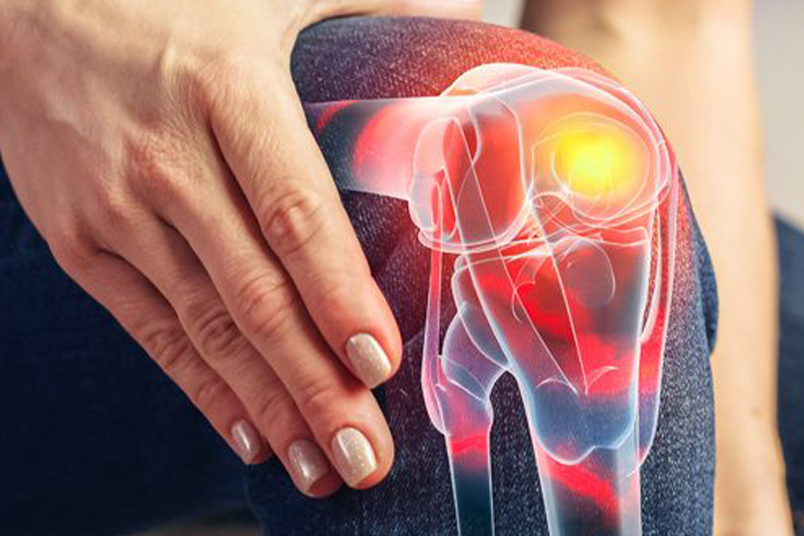
The knee joint can be considered as a hinge joint, primarily responsible for the motion of bending and straightening. However, it is more intricate than a simple hinge, as the surfaces of the bones actually glide and roll against each other.

The knee joint is formed by the meeting of three bones: the femur (thighbone), the tibia, and the patella (kneecap). These bones are covered with smooth cartilage surfaces that act as a cushion during weight bearing activities.

Additionally, the bones of the knee are protected by a smooth and shiny layer called articular cartilage. They are also connected by strong ligaments and powerful muscles, which are attached to the thigh and calf through tendons, providing stability from side to side.

In a healthy knee, all of these structures work together, enabling the knee to smoothly flex (bend) and extend (straighten) the lower leg.

Common types of arthritis

There are many different kinds of arthritis, but common types that may affect your knees include:

Degenerative Arthritis:

Degenerative arthritis, also referred to as noninflammatory arthritis, is a type of arthritis that is characterized by the gradual deterioration of the joints.

Among the various forms of degenerative arthritis, osteoarthritis (OA) is the most prevalent. Compared to other types of arthritis, degenerative arthritis can be prevented or effectively managed with appropriate measures.

Osteoarthritis specifically occurs when the protective cartilage covering the ends of the joint bones gradually wears away, leading to friction between the bones. This process can result in weakened joints, impaired functionality, and persistent pain and stiffness.

In severe cases, individuals may require joint replacement surgery to alleviate the symptoms associated with osteoarthritis.

Inflammatory Arthritis:

Rheumatoid arthritis (RA) and psoriatic arthritis are the two most prevalent forms of inflammatory arthritis. When the immune system is functioning normally, it employs inflammation as a means to eliminate or prevent diseases and infections.

However, this same defense mechanism can backfire and cause the immune system to mistakenly target healthy tissues, leading to the deterioration of joints and major organs.

The development of this particular form of arthritis is believed to be a result of both genetic predisposition and environmental factors. Environmental factors, such as smoking, can trigger the inflammatory process.

Autoimmune arthritis is characterized by the way inflammation affects the body. Timely identification and an aggressive treatment strategy are essential in preventing irreversible joint impairment associated with these inflammatory/autoimmune conditions.

As the body’s immune system inadvertently targets its own tissues, the resulting inflammation can inflict harm on internal organs, emphasizing the significance of prompt medical intervention.

The primary aim in addressing this particular type of arthritis is to attain remission. The conventional method for managing inflammatory arthritis includes corticosteroids or disease-modifying antirheumatic drugs (DMARDs) to suppress the immune system.

Infectious Arthritis:

Infections caused by organisms can give rise to arthritis. Infectious arthritis can be caused by various types of organisms that can affect the body. These organisms can originate from food poisoning or contamination, such as Salmonella or Shigella.

They can also be transmitted through sexually transmitted diseases like Chlamydia or Gonorrhoea. Additionally, a blood infection can occur through the sharing of needles or transfusion, as in the case of hepatitis C.

When an organism affects the joints, it is crucial to administer antibiotics promptly to eliminate the infection.

Metabolic Arthritis:

Certain types of arthritis can be caused due to the body’s inability to effectively regulate natural waste products.

When purines, which are present in human cells and various foods, are broken down by the body, they form a compound known as uric acid. In some individuals, the levels of uric acid are elevated to such an extent that the body struggles to eliminate it efficiently.

Consequently, the accumulation of excessive uric acid can lead to the formation of needle-like crystals within the joints, resulting in severe bouts of joint pain and inflammation.

The most prevalent form of metabolic arthritis is Gout, which can manifest as intermittent attacks or become a chronic condition if the levels of uric acid are not properly managed and reduced.

Treatment for knee arthritis

The management of knee arthritis usually includes a blend of lifestyle adjustments, medications, and physical therapy.

Non-steroidal anti-inflammatory drugs (NSAIDs) can effectively alleviate pain and inflammation, whereas corticosteroid injections may offer temporary relief. Physical therapy concentrates on strengthening the muscles surrounding the knee to enhance stability.

Maintaining a healthy weight is vital to minimize strain on the joint. In more severe instances, surgical alternatives such as arthroscopy or joint replacement might be considered.

 To conclude, the management of knee arthritis requires a comprehensive approach that takes into consideration its multifaceted causes. Personalized treatments, encompassing rest, physical therapy, medical interventions, and lifestyle modifications, are aimed at reducing pain and restoring knee function.

By consulting professionals, individuals can obtain an accurate diagnosis and effectively manage the condition, thereby playing a crucial role in preserving joint health in the long term.

KM NU Hospitals, Ambur is renowned for its cutting-edge orthopaedic facilities that offer a wide range of services for the treatment of knee arthritis. Our team of highly skilled orthopaedic professionals and dedicated staff are committed to providing continuous support and guidance to patients throughout their treatment journey. We prioritize delivering personalized care of the utmost quality, tailored to meet the unique needs of each individual.

References:

1.  Arthritis of the Knee. OrthoInfo. https://orthoinfo.aaos.org/en/diseases–conditions/arthritis-of-the-knee/.

2.  Knee Arthritis. JOHNS HOPKINS MEDICINE. https://www.hopkinsmedicine.org/health/conditions-and-diseases/knee-arthritis.

3.  When Knee Pain May Mean Arthritis. Arthritis Foundation. https://www.arthritis.org/health-wellness/about-arthritis/where-it-hurts/when-knee-pain-may-mean-arthritis.

4.  Arthritis of the Knee. Cleveland Clinic. https://my.clevelandclinic.org/health/diseases/21978-arthritis-of-the-knee.

Author: Dr. Allen Sunny Deol.S.V
5 Tips for a Successful Total Hip Replacement Recovery

 Hip replacement surgery is a transformative procedure that aims to alleviate pain, improve mobility, and enhance the overall quality of life. However, the success of the surgery depends significantly on the postoperative recovery process. In this blog, we aim to provide valuable tips and insights to ensure a successful hip replacement recovery.

1. Preparing for Recovery

Preoperative education: Before your hip replacement surgery, educate yourself about the procedure, potential complications, and realistic expectations. Understanding what to expect will empower you to make informed decisions and actively participate in recovery.

Home modifications: Make necessary modifications to your home to create a safe and comfortable environment. Remove tripping hazards, install handrails in bathrooms, and arrange furniture to facilitate easy movement. This proactive approach ensures a smooth transition from the hospital to your home.

Support system: Build a strong support system. Inform family and friends about your surgery, and discuss potential assistance needed during recovery. Having a reliable support network contributes significantly to your emotional well-being and practical needs.

2. Immediate Postoperative Care

Follow medical advice: Adhere strictly to the postoperative instructions provided by your surgeon and medical team.  Consistent pain management is crucial for comfort and overall well-being during the initial recovery phase.

Physical therapy: Engage in physical therapy as recommended by your healthcare team. These exercises are necessary for regaining strength, flexibility, and mobility. Regular participation in physical therapy accelerates the recovery process.

Wound care: Follow proper wound care protocols. Keep the incision area clean and dry, and promptly report any signs of infection, such as redness, swelling, or increased pain.

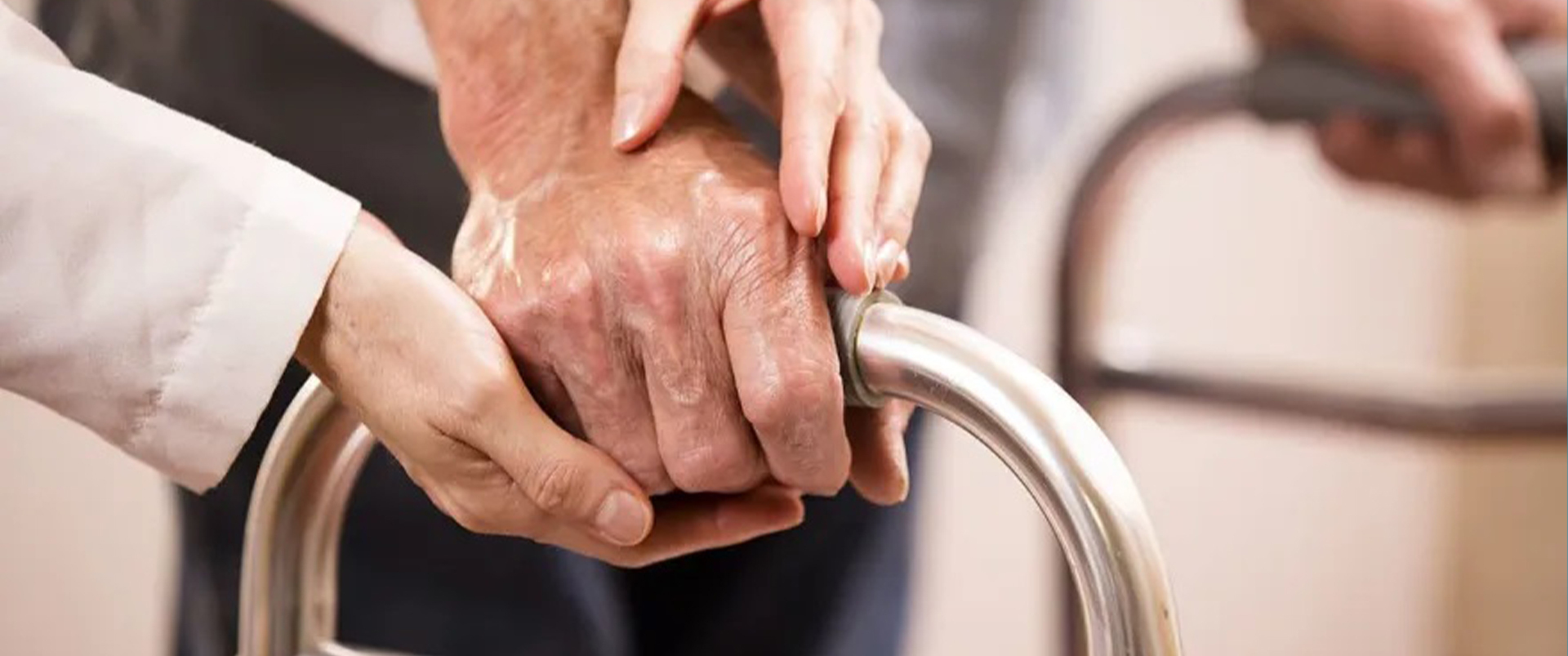
Mobility assistance: Use assistive devices as recommended, such as crutches or walkers, to support controlled movement. Gradually progress from these aids as your strength improves.

3. Managing Pain and Discomfort

Medication management: Take prescribed pain medications as directed by your healthcare provider. Adhering to medical management is essential for maintaining comfort and promoting an active recovery.

Ice and heat therapy: Utilize ice packs to reduce swelling and heat therapy to alleviate muscle stiffness. These simple measures can significantly enhance your overall comfort during the recovery period.

Gentle exercise: Engage in gentle, prescribed exercises to prevent stiffness and improve circulation. Controlled movements, guided by a physical therapist, contribute to pain management while promoting healing.

Elevation: Elevate your leg when resting to minimize swelling. This simple yet effective technique aids in reducing discomfort and accelerating the healing process.

Communication with healthcare team: Maintain open communication with your healthcare team regarding your pain levels. Adjustments to your pain management plan can be made based on your feedback, ensuring optimal comfort during your recovery from hip replacement surgery.

4. Gradual Resumption of Activities

Controlled movement: While it’s important to rest initially, gradual and controlled movement is key to preventing stiffness. Follow your physical therapist’s guidance on appropriate exercises and movements.

Weight-bearing progression: Follow a gradual weight-bearing progression. Begin with the use of crutches or a walker, transitioning to a cane as your strength improves. This gradual approach minimizes the risk of falls and promotes a steady recovery.

Patience in progress: Be patient with your progress. Avoid rushing into strenuous activities or high-impact exercises. Allow your body the time it needs to heal and gradually reintroduce more demanding activities as approved by your healthcare team.

Monitoring discomfort: Pay attention to any signs of discomfort or pain during activities. If an activity causes undue strain, modify or discontinue it and consult your healthcare provider. Monitoring your body’s response ensures a safe and effective recovery.

5. Nutrition and Hydration

Balanced diet: Maintain a well-balanced diet rich in nutrients to support the healing process. Focus on foods rich in protein, vitamins, and minerals, essential for tissue repair and overall recovery. Incorporate lean meats, dairy, fruits, and vegetables into your meals.

Adequate hydration: Stay well-hydrated to support bodily functions and aid in medication elimination. Proper hydration is crucial for preventing complications and promoting overall well-being. Aim to drink an adequate amount of water throughout the day, but consult your healthcare provider if there are specific fluid restrictions.

Vitamin and mineral supplements: Consider supplements, if recommended by your healthcare team, to ensure you meet nutritional requirements. Calcium and vitamin D are particularly important for bone health and recovery.

Meal preparation and planning: Prepare and plan meals to ease the postoperative period. Have easily accessible, nutritious options to avoid unnecessary strain and ensure a consistent intake of essential nutrients. By focusing on these nutritional aspects, you contribute to a smoother and more effective recovery after hip replacement surgery.

A successful hip replacement recovery requires a holistic approach that combines medical guidance, self-care, and a positive mindset. By following these tips and actively participating in your recovery, you can maximize the benefits of the surgery and enjoy improved mobility and quality of life in the long run. Remember, success in hip replacement recovery is a journey, not a destination.

KM NU Hospitals, Ambur, India, are renowned for providing outstanding care in hip replacement. With a commitment to patient well-being, their skilled medical professionals offer expert surgical interventions and personalized rehabilitation plans. The hospital’s state-of-the-art facilities and compassionate approach ensure a comprehensive and successful recovery for individuals undergoing hip replacement procedures. Trust KM NU Hospitals for excellence in hip replacement care.

References:

1. Hip Replacement Recovery. King Edward VII’s. https://www.kingedwardvii.co.uk/health-hub/hip-replacement-recovery-tips.

2. Hip Replacement Recovery. Hopkins Medicine.https://www.hopkinsmedicine.org/health/treatment-tests-and-therapies/hip-replacement-recovery-qa.

3. Care for New Hip Joint. Medline Plus.https://medlineplus.gov/ency/patientinstructions/000171.htm.

Author: Dr. Tahir Ahmed

The First 28 Days of Newborn Care!

The arrival of a newborn brings immense joy and excitement to parents, particularly new ones.It’s a time filled with celebration, happiness, and a lot of learning, especially for those experiencing parenthood for the first time. During this period, both the mother and the baby require extensive medical attention and the unwavering support of their loved ones.

During the first 28 days after birth, most newborns are incredibly fragile and vulnerable. It’s alarming to know that over 70% of infant deaths occur within the first 24 hours of being born, and each year, more than 2 million newborns lose their lives within the first week. This highlights the critical role of newborn baby care in the initial month, as it directly impacts their survival and overall health.

Taking care of a newborn

In order to handle any emergency situation effectively, it is essential to have a well-equipped neonatal intensive care facility available. This eliminates the need for transferring newborns to other healthcare facilities, which can be risky. Studies have shown that shifting the mother to the NICU before the baby is born has positive effects on the survival and development of the newborn.

During birth or after birth, the start of respiration is a crucial step, and it’s always beneficial to seek the guidance of a paediatrician. Having a doctor who is trained in neonatal resuscitation can help ensure that the baby remains warm, any potential birth defects are ruled out, and the process of initiating breastfeeding is facilitated.

During the hospital stay, it’s important to encourage the mother to breastfeed and avoid giving the baby any prelacteal feeds. The mother should be able to breastfeed on-demand, placing the baby on the breast every 2-3 hours. To assess the adequacy of feeding, the urine output can serve as an indicator, with 3-4 wet diapers within a 24-hour period being a positive sign.

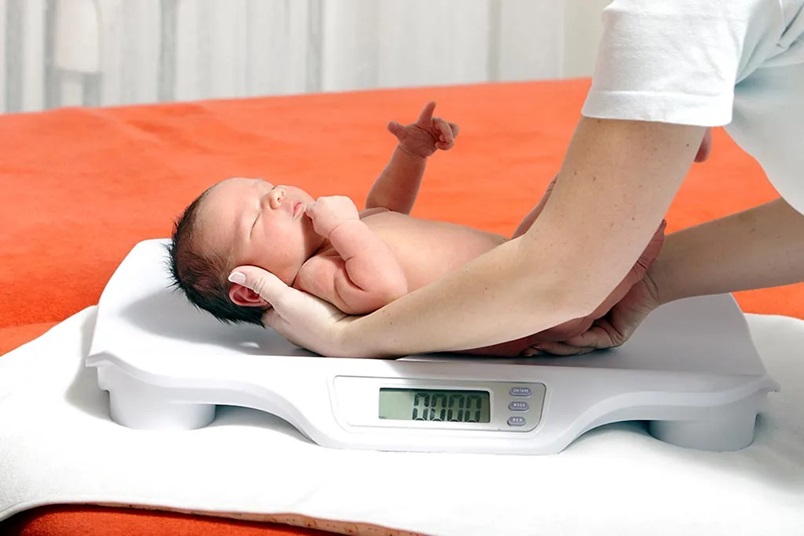
Typically, an infant excretes faeces (MECONIUM) within a day and urinates within two days after birth. The newborn’s well-being is closely observed, considering factors such as crying, body temperature, feeding, jaundice, and any concerns expressed by the parents. Prior to the mother’s discharge, it is essential for her to feel assured about breastfeeding, undergo an assessment for jaundice, ensure the baby’s temperature is stable, and receive necessary vaccinations.


Going home with a new baby is such an exciting time, but it can also be a little scary. Taking care of a newborn can be challenging, especially when it comes to feeding them frequently and changing their diapers. Keep their room temperature between 27°C to 29°C, so they don’t have to use up extra energy to maintain their body temperature. For maintaining the ideal room temperature, it’s advisable to use an AC or cooler with a slow fan speed. However, make sure not to direct any cold air blasts towards the baby.

Common newborn issues

Newborns can experience various medical issues, and if these problems are not addressed, they can escalate into something more serious. One of the concerns for newborns is dehydration, which can be identified by a significant decrease in weight. Full-term babies typically lose around 10% of their weight, while preterm babies can lose up to 15% of their weight during the first 7 to 10 days of life. However, they usually regain their birth weight by 3-4 days and then start gaining weight at a rate of 10-15gms/kgs/day.

Newborns are vulnerable to infections, and parents need to be vigilant in spotting any signs. Infections can easily be transmitted during birth or when the baby is handled by others. Keep a close eye on the belly button or circumcised foreskin for any signs of infection. Additionally, if your baby is having trouble with breastfeeding, not gaining weight properly, or showing increased irritability, these could be indications of an infection.

Most babies usually stay in good health after leaving the hospital, but it’s crucial to be vigilant for any signs of illness such as jaundice or infections. Schedule a visit to the paediatrician within a day or two of being discharged to ensure the baby’s well-being.

A guide for parents

Handling a newborn baby

Learning how to handle a newborn is one of the most important skills for new parents. Since newborns haven’t developed a strong immune system yet, they are more vulnerable to infections. Here are a few tips to help you handle your baby:

·       Before touching the baby, make sure to wash or sanitize your hands.

·       Always support the baby’s head and neck when picking them up or carrying them.

·       Remember to never shake the baby; instead, hold them securely and gently sway to comfort them.

·       In the first 28 days, your baby is not ready for playtime, so avoid bouncing or jiggling them.

Feeding and burping your newborn baby

Doctors strongly advise mothers to exclusively breastfeed their babies for the first six months. This means refraining from giving them water, gripe water, or any other foods. It’s important to feed the baby whenever they demand it, typically every 2-3 hours. While breastfeeding may not come naturally to every mother, there’s no need to feel ashamed. If you’re facing any challenges, consider seeking help from a lactation specialist who can provide valuable guidance. Additionally, remember to burp the baby after each feeding session. You can do this by holding them against your chest or sitting them up on your lap and gently patting their back with a flat palm.

Diapering your baby

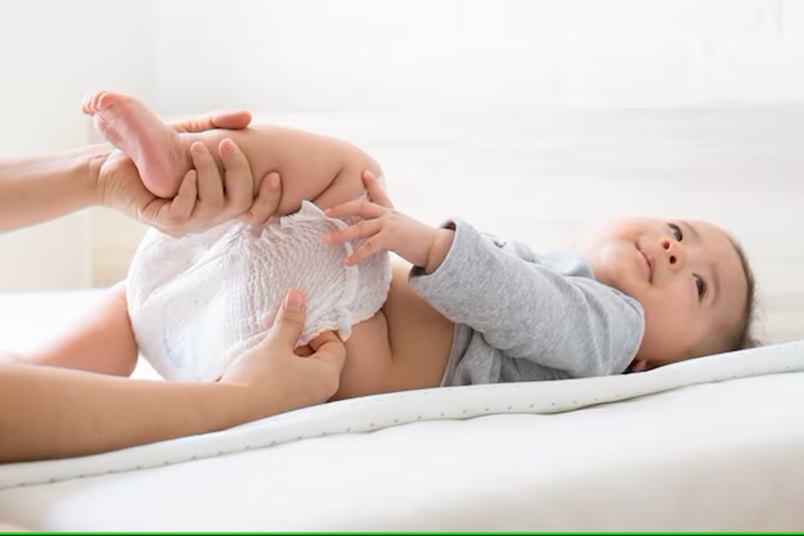
Within the initial 24 hours after birth, newborn babies typically have their first bowel movement, and within 48 hours, they pass urine. Once your baby is adequately fed, they should wet around 3-4 diapers per day. As your baby grows, you may need to use approximately ten diapers daily. To ensure cleanliness, use water and a soft washcloth or wipes. If needed, apply a diaper rash cream. Discuss any signs of skin conditions, such as diaper rash or cradle cap, with your baby’s paediatrician as part of their regular newborn care.

Umbilical cord care for new-born

Make sure to gather information about how to care for your baby’s umbilical cord before you leave the hospital. Typically, the dried cord will naturally fall off within 10 days to three weeks. Avoid getting the cord wet or giving your baby a bath until the stump falls off. However, if you notice any redness, odour, or bleeding from the cord, it’s crucial to seek medical attention.

Bathing basics for new-borns

In the initial weeks, it’s advisable to refrain from using soap or strong shampoo on your baby. Once the umbilical cord stump has healed completely, you can begin bathing your newborn. Just remember to provide proper support to their neck and head during bath time. It’s best to use a gentle cleanser and a soft washcloth to cleanse their body.

Bonding with new-born baby

The initial days after the arrival of a baby are truly magical as parents learn to comfort, swaddle, and connect with their little one. It’s crucial to handle the newborn with utmost care during this precious time. Skin-to-skin contact is highly beneficial for most infants.

Sleeping basics for babies

Infants typically sleep for a duration of 2 to 4 hours at a stretch. Consequently, you might find yourself waking up multiple times during the night to attend to their feeding or changing needs. Position the babies on their backs when placing them in the crib, as this helps minimize the chances of sudden infant death syndrome. Additionally, it is advisable to remove pillows, stuffed animals, and blankets from the crib.

Vaccinating newborns

It is extremely important to vaccinate newborns as it plays a vital role in safeguarding their health and protecting them from serious diseases. To safeguard infants from preventable illnesses, it is essential to provide vaccines like the hepatitis B vaccine soon after birth. This helps build a strong defence system from day one, shielding them from potential health risks. Timely vaccinations not only protect the newborn but also help in building community immunity, ultimately reducing the overall risk of disease transmission.

To sum up, providing attentive care to newborns is the key to a lifetime of wellness. Through nurturing bonds and essential health practices like feeding and vaccinations, comprehensive care greatly supports the healthy growth and development of your newborn.

KM NU Hospitals in Ambur provides advanced paediatric and neonatology services. Our team of skilled healthcare professionals is committed to delivering exceptional care to newborns, tailored to their individual needs.


References:

1.  A Guide for First-Time Parents. NEMOURS KidsHealth. https://kidshealth.org/en/parents/guide-parents.html.

2.  Newborn care guide: 7 tips for the first weeks. Touro LCMC Health. https://www.lcmchealth.org/touro/blog/2022/june/newborn-care-guide-7-tips-for-the-first-weeks/.

3.  Your baby’s growth and development – 1 month old. pregnancybirth&baby. https://www.pregnancybirthbaby.org.au/babys-growth-and-development-1-month-old.

Author: Dr. Palanirajan P


How to Handle Medical Emergencies: A Guide for Everyone

In our day-to-day life, we often come across a serious and unforeseen situation that has been caused by a sudden illness or injury and which requires immediate medical attention. This is called a medical emergency. Being equipped to handle such situations can save lives and prevent any untoward incident from occurring. This blog is dedicated to providing in-depth knowledge of what classifies as a medical emergency and ways of handling such problems.

Warning signs of a medical emergency

·       Shortness of breath/ difficulty breathing

·       Chest or upper abdominal pain or pressure

·       Sudden dizziness, weakness, or fainting

·       Severe or persistent vomiting or diarrhea

·       Confusion or change in mental status

·       Difficulty speaking

·       Sudden or severe pain

·       Uncontrolled bleeding

·       Changes in vision

·       Suicidal or homicidal feelings

Types of medical emergencies

Some of the common types of medical emergencies that could take place include the following:

·       Cardiac arrest/heart attack

·       Continuous bleeding

·       Choking

·       Seizures and stroke

·       Burns

·       Allergic reactions

·       Fractures


1.  Cardiac arrest/heart attack: The first few hours following a heart attack is crucial. The first thing to do is make the person swallow an aspirin if they are not allergic to it. A CPR (Cardiopulmonary Resuscitation) may not be required unless the person is unconscious or has stopped breathing, which generally happens during a cardiac arrest. In such an event, CPR must be given to keep the blood circulating until medical help is available.

2.  Continuous bleeding: In case of continuous bleeding, it is vital to cover the wound with a clean cloth and applying direct pressure on the wound. This pressure should be maintained for approximately 5 minutes. Sometimes, elevating the bleeding arm or leg helps stop the blood from coming out, unless there is a fracture.

3.  Choking: If a person is suffering from choking and it does not allow him to speak, shout, or cough, it’s important to give assistance to clear the blockage. While standing behind them and supporting their chest with one hand, give them 5 sharp blows to the area between their shoulder blades, with the heel of your other hand. At times when this does not work, try administering 5 abdominal thrusts. This can be done by leaning the person forward and pressing your fist above their navel and pulling them sharply, in an inward and upward direction. However, this abdominal thrust should not be performed on pregnant women and very young children.

4.  Seizures and stroke: In case of a seizure, ensure that the person is not surrounded by any dangerous object. After this, place the individual’s head on a soft object and check for their breathing. If you notice any such symptoms as slurred speech, facial and arm weakness, severe headache, blurred vision, and dizziness, seek immediate medical help.

5.  Burns: The type of first aid provided depends on the type of burn. If burn is due to heat, cold water must be poured until the pain subsides. Then the wound should be covered with a sterile dressing. If the cause of burn is an electric shock, immediately cut off the power supply before rescuing the person. If the burn is due to chemical spills, it has to be cleaned with a gloved hand or cloth.

6.  Allergic reactions: A severe reaction to an allergen, often called anaphylaxis, also falls under a medical emergency. Use an auto-injector if the person is carrying one and you know how to use it, even if the symptoms show improvement. Remove the allergen that is causing this adverse reaction and make the person lie down flat until help arrives.

7.  Fractures: If a person has had a fall from a considerable height that has resulted in a fracture of the neck or one of the limbs, do not try to move the victim. This even applies for a person who is unconscious.


A medical emergency can happen at the workplace, at home, or in a public area such as streets. When such an eventuality happens, it is important to know how to respond appropriately. Having a medical condition can further instigate heart attacks and seizures. Being prepared on how to tackle such a situation will ensure you can help an individual if he or she faces such a situation. Timely and prompt action can save their life.

At KM NU Hospitals, located in Ambur, Tamil Nadu, emergency care is made available to people immediately. The doctors and experts here are knowledgeable in handling emergency medical situations due to their core understanding of facing such a situation. KM NU Hospitals is truly the best emergency care to reach out to if you are anywhere in its close proximity. Let’s spread the word and reach out to save lives!

Author: Dr. Sivakumar Ramaswamy

References:

1.  Recognizing medical emergencies. MedlinePlus.  https://medlineplus.gov/ency/article/001927.htm


Mobility After Hip Replacement

Mobility is defined as the ability of a person to move about, which includes actions such as standing up and walking. After a hip replacement or hip arthroplasty surgery, getting back to doing normal chores and activities requires a person to be mobile once again. The strategies taken to help a person become mobile again post a hip replacement surgery fall under mobility strategies. Here, we cover few of the mobility strategies that can help you get on your feet once more after hip replacement surgery.

Hip replacement surgery

In this surgery, the ball and socket part of the hip joint is replaced. A metal implant (stem) and another metal and plastic implant (cup) is inserted in the thigh bone and pelvic bone, respectively. There is a metal head which moves in the plastic cup, relieving pain and improving mobility. Almost 90% of the hip replacement surgeries are performed on older adults above 50 years. There are two types of hip replacement surgeries:

(i)  Total hip replacement: This is the most common form of hip replacement in which the whole hip is replaced with a prosthetic joint. In this surgery, femoral head (top) of your thigh bone (femur) and the socket it fits into, called acetabulum is replaced.

(ii)  Partial hip replacement: This type of surgery is very rare, in which only a part of your hip gets replaced. These are only done to remove certain types of tumors and hip fractures (broken hips).

Resuming normal life

Resuming normal activities after a hip replacement surgery may seem like a daunting task for many, especially after remaining immobile for long.

To overcome this barrier after initial bed rest and restricted weight bearing, you may require professional assistance.

There are various strategies to improve mobility, including resuming walking and exercise programs used during your stay in the hospital and even after discharge.

As part of effective treatment for improving people’s mobility, exercises in addition to standard physiotherapy is recommended. These exercises focus on balance, walking, and functional tasks while you remain in the hospital. Once discharged from the hospital, the target should be on extra strength and endurance training.

Exercises for your hip

Your surgeon or physical therapist will put you on an exercise and stretches regime as early as 24 hours after the surgery has completed. You will be closely monitored to assess strength and flexibility in your legs and hip and how long you are able to stand and sit.

The exercises you need to follow are centered around strengthening and stretching the muscles around your hip joint. You will be able to slowly resume activities such as climbing stairs, bending, and walking.

The following hip exercises are beneficial after hip replacement surgery:

1.  Straight leg raises: Lie on your back. Now, keeping your legs straight, lift alternate legs 6 inches off the floor. Hold till the count of 5 in this position and relax. Repeat 20 times.

2.  Hip abduction: Lie on your back, keeping toes pointed toward the ceiling. Now move one leg out to the side as far as possible. Slowly return to the starting position and relax. Repeat with the other leg.

3.  Bridging: Lie on your back, bending both knees. Push feet and lift your back. Hold in this position for a count of 5 and then relax. Repeat.

4.  Hip adduction: Lie on your side, with the painful side of the hip up. Keeping top leg straight, lift it as high as possible. Hold till the count of 5 and then relax. Repeat again.

5.  Hip extension: Lie on your stomach and lift your leg up by putting pressure on the thigh. Hold for a count of 5 and bring the leg down. Relax and repeat with alternate leg.

6.  Isometric glutes: Squeeze or contract your buttocks while lying on your stomach. Hold till the count of 5 and relax. Repeat 10 times.

With the help of the above exercises, you will regain your range of motion and strength over time. It may be nearly 6-12 weeks before you can use your hips without any restrictions.

Although you need time to recover after a hip replacement surgery, with proper medical guidance and exercise plan, you will be able to resume daily activities soon. You may have to use a cane or crutches to help you in walking till the time proper balance is restored to avoid unnecessary trips and falls.

Every individual has varying recovery period which is subject to the exercise regime followed. With diligence and care, you will soon find yourself back on your feet!

At KM NU Hospitals, which is the best hip fracture surgery hospital in Ambur, Tamil Nadu, you will find yourself surrounded by expert orthopaedics who are experts in hip fracture treatment. This healthcare facility offers the latest techniques for hip arthritis surgery in Ambur. If you need advice regarding your hip replacement surgery or want to undergo the same, KM NU Hospitals is the right place for you.

 Author: Dr. Allen Sunny Deol.S.V

References:

1.  Hip Replacement (Hip Arthroplasty). Cleveland Clinic. https://my.clevelandclinic.org/health/treatments/17102-hip-replacement.

2.  Total Hip Replacement Exercise Guide. OrthoInfo. https://orthoinfo.aaos.org/en/recovery/total-hip-replacement-exercise-guide/#:~:text=Proper%20walking%20is%20the%20best,regain%20movement%20in%20your%20hip.

3.  Your all-you-need-to-know guide on hip replacement surgery. TOPDOCTORS UNITED KINGDOM. https://www.topdoctors.co.uk/medical-articles/your-all-you-need-to-know-guide-on-hip-replacement-surgery.


What are The 3 Hip Pain Treatment Options?

The occurrence of hip pain can be attributed to a variety of underlying conditions, including arthritis, bulging discs, or trauma, which can have a significant effect on one’s mobility and overall well-being.

Addressing hip pain promptly is crucial to prevent complications and enhance overall wellness. Treatment options range from conservative approaches such as physical therapy and medications to more invasive interventions such as joint injections or surgery.

Early intervention can mitigate discomfort, restore function, and prevent long-term joint damage. Tailoring treatment to the specific cause of hip pain is vital for effective management, highlighting the importance of accurate diagnosis and personalized care.

In this blog, we aim to provide three fundamental hip treatment options for hip-related issues.

The 3 Hip Pain Treatment Options

Hip treatment options vary based on the specific condition or injury. Here are the most common three hip pain treatment options:

1.Conservative Treatment

A non-invasive method of treating hip pain symptoms is offered by conservative treatment. The following are the various conservative treatment approaches:

Physical Therapy: It is an important part of hip treatment, especially for conditions such as osteoarthritis, hip impingement, or after hip surgery. Physical therapists design tailored exercise programs to improve mobility, strength, and flexibility. These exercises aim to alleviate pain, enhance joint function, and prevent further complications.  

Pain Medications: Non-prescription pain relievers or non-steroidal anti-inflammatory drugs (NSAIDs), can help manage pain and reduce inflammation. Consultation with a healthcare professional is advised for proper usage.

Joint Injections: Corticosteroid injections may be considered for targeted pain relief by reducing inflammation in the hip joint. However, these should be administered under medical supervision due to their side effects.

Assistive Devices: Using walking aids or hip braces can provide additional support, reducing strain on the hip joint during activities.

2.  Surgical Treatment

Surgical intervention can be a viable option for individuals experiencing persistent hip pain that does not respond to conservative treatments. The following are the various surgical procedures available to address different hip conditions:

Arthroscopic Hip Surgery: It involves minimally invasive techniques, utilizing small incisions and a camera to visualize and treat hip joint issues. Common treatments include tissue drainage, labral reconstruction, and impingement treatment. This minimizes tissue injury and enhances healing and recovery.

Total Hip Replacement (THR): For severe hip arthritis, THR is a definitive solution. During this treatment, an artificial implant is used to replace the injured hip joint. Modern implants are durable and designed to mimic the natural hip joint, providing pain relief and improved function.

Hip Resurfacing: This technique involves preserving more of the patient’s natural bone than traditional hip replacement. It is particularly suitable for younger, active individuals with hip arthritis, offering a more conservative option.

Osteotomy: In cases of hip deformities or dysplasia, osteotomy may be recommended. This procedure involves cutting and realigning the hip joint to improve its stability and function, redistributing weight-bearing forces to alleviate pain.

Revision Hip Surgery: When a previous hip surgery fails or complications arise, revision surgery may be necessary. It includes keeping an eye out for infections, doing necessary maintenance, managing wear and tear, and resolving issues with the initial implant. 

3.  Lifestyle Modifications

Hip pain can significantly impact one’s quality of life, but adopting certain lifestyle modifications can help alleviate discomfort and improve overall well-being.

Physical Activity: Engage in low-impact exercises like swimming or cycling to strengthen the muscles around the hip joint. Stay away from strenuous activities that might make your pain worse.

Weight Management: Maintain a healthy weight to reduce the load on the hip joint. Excess weight can contribute to increased pressure and inflammation in the hip area.

Posture Awareness: Be mindful of your posture during daily activities. Maintain a neutral spine position while sitting and standing to reduce strain on the hip joint.

Proper Footwear: Choose supportive and comfortable footwear to provide adequate cushioning and stability. Proper footwear can positively impact hip alignment.

Stretching and Flexibility: Incorporate gentle hip stretches into your daily routine to improve flexibility and range of motion. Consult a physiotherapist for personalized stretching exercises.

Ergonomics: Ensure that your workspace and living environment are ergonomically sound. Properly designed furniture and tools can minimize unnecessary stress on the hip joint.

Balanced Nutrition: Adopt an anti-inflammatory diet rich in omega-3 fatty acids, fruits, and vegetables. This can help reduce inflammation and promote joint health.

In conclusion, hip treatment options are diverse and tailored to the specific needs of the individual. A comprehensive approach often involves a combination of physical therapy, medications, surgical interventions, and lifestyle modifications. Choosing the right treatment for you depends on several factors, including the condition you have, the severity of your symptoms, and your overall health. It is important to consult with your doctor to decide what’s best for you and get personalized advice before undergoing the treatment procedures.

KM NU Hospitals in Ambur, India, is renowned for delivering top-notch hip pain treatment and care. With a commitment to excellence, their expert medical team employs advanced techniques and personalized approaches to address hip-related issues. KM NU Hospitals is committed to providing the highest quality of care to its patients, from the initial diagnosis to comprehensive treatments, to ensure optimal outcomes and an improved quality of life.

Author: Dr. Tahir Ahmed

References:

1.  Hip Pain. Cleveland Clinic.

https://my.clevelandclinic.org/health/symptoms/21118-hip-pain.

2.  Hip Pain. Hospital for Special Surgery.

https://www.hss.edu/hip-pain-center-treatments.asp.

3.  Hip Pain. Mayo Clinic.

https://www.mayoclinic.org/symptoms/hip-pain/basics/when-to-see-doctor/sym-20050684.


Arthritis Pain in Knee: Causes, Symptoms & Treatment

Arthritis pain in the knee is a debilitating condition characterized by inflammation of the joint, causing stiffness, swelling, and discomfort. It predominantly affects the elderly, though it can also affect younger individuals due to various factors like injury or genetics.

The most common types of arthritis include osteoarthritis and rheumatoid arthritis; each has unique challenges in managing pain and preserving joint function. This condition significantly impacts daily life, limiting mobility and often requiring a multifaceted approach to treatment, ranging from medication and physical therapy to lifestyle modifications.

It is essential to understand the complexities of knee arthritis for effective pain management and improved quality of life.


What are the causes of Knee Arthritis?

Arthritis in the knee typically results from the breakdown of joint cartilage, leading to pain and inflammation. Factors such as aging, genetic predisposition, joint injuries, and obesity can contribute to its development. As cartilage deteriorates, bones may rub against each other, causing pain, swelling, and stiffness. Inflammatory processes like those seen in rheumatoid arthritis, can also affect the knee joint. Seeking medical advice is crucial for accurate diagnosis and appropriate management of arthritis-related knee pain.

What are the symptoms of Knee Arthritis?

The following are the various symptoms associated with the knee arthritis:

Pain and Stiffness: Arthritis in the knee often manifests as persistent pain, commonly described as a dull ache or sharp discomfort. Stiffness is another prevalent symptom, especially after periods of inactivity or upon waking up.

Swelling: Inflammation is a hallmark of arthritis, leading to noticeable swelling around the knee joint. This may cause a feeling of heaviness and reduced flexibility.

Reduced Range of Motion: As arthritis progresses, individuals may experience limitations in their ability to fully bend or straighten the knee. This reduced range of motion can impact daily activities.

Warmth and Redness: The affected knee might feel warmer to touch than usual, and the skin around the joint could appear red. These signs indicate increased blood flow and inflammation in the area.

Crepitus: Arthritic knees may produce a grinding or grating sensation during movement. This noise, known as crepitus, results from the roughening of cartilage surfaces within the joint.

Weakness: Muscular weakness in the thigh and calf muscles may develop due to the pain and reduced usage of the affected knee.  

Instability: Arthritis can lead to a sense of instability in the knee, making individuals more prone to episodes of giving way or feeling unsteady. People with arthritis may experience difficulty walking, climbing stairs, or even performing routine activities.  

Morning Stiffness: Many individuals with knee arthritis experience increased stiffness and discomfort in the morning, lasting for around 30 minutes or more. This morning stiffness can be a distinctive feature of arthritis.

<how is="" knee="" arthritis="" diagnosed?

Identifying the type of arthritis (osteoarthritis, rheumatoid arthritis, etc.) is crucial for tailoring an appropriate treatment plan. The diagnosis of arthritis includes:

Medical History: Healthcare providers will begin by gathering information about your medical history, including symptoms, duration, and any relevant factors such as injuries or family history of arthritis.

Physical Examination: A thorough examination of the knee joint will be conducted, assessing for signs of swelling, warmth, tenderness, and range of motion. Joint deformities or changes in alignment may also be noted.

Imaging Tests:

·      X-rays: These can reveal joint damage, narrowing of joint spaces, and the presence of bone spurs.

·      Magnetic Resonance Imaging (MRI): Provides detailed images of soft tissues such as cartilage, ligaments, and tendons and helps to assess the extent of damage.

Blood Tests:

·   Rheumatoid Factor (RF) and Anti-Cyclic Citrullinated Peptide (anti-CCP) Antibody Tests: These blood tests help diagnose rheumatoid arthritis.

·   C-reactive protein (CRP) and Erythrocyte Sedimentation Rate (ESR): Elevated levels of these parameters indicate inflammation in the body.

Joint Aspiration (Arthrocentesis): In some cases, a small sample of synovial fluid from the knee joint may be collected and analyzed. This can help determine if inflammation is due to infection or another cause.

Musculoskeletal ultrasound: It can provide real-time images of the joint, aiding in the assessment of inflammation, fluid accumulation, and structural abnormalities.

Arthroscopy: In certain situations, a minimally invasive procedure called arthroscopy may be recommended. It involves visualizing the joint directly by inserting a small camera into it and assessing the condition of the cartilage and other structures.

Other Specialized Tests: Depending on the suspected type of arthritis, additional tests such as bone scans or specific antibody tests may be conducted.

What are the treatment options for Knee Arthritis?

The following are the various treatment options for knee arthritis:

A. Conservative Treatments

Medications: Pain relievers and anti-inflammatory drugs can help to reduce the symptoms.

Physical Therapy: Targeted exercises strengthen muscles, improve flexibility, and alleviate stress on the knee joint.

Weight Management: Maintaining a healthy weight can reduce the load on the knee joints thereby, minimizing pain.

Assistive Devices: Canes, braces, or orthotics may provide support and reduce pressure on affected knees.

B. Interventional Treatments

Corticosteroid Injections: They may provide temporary relief by reducing inflammation.

Hyaluronic Acid Injections: Lubricate the joint, easing pain, and improving mobility.

C. Surgical Options

Arthroscopy: Minimally invasive procedure to address certain joint issues, such as removing loose cartilage or repairing damaged tissue.

Joint Replacement (Arthroplasty): In severe cases, particularly with significant joint damage, total or partial knee replacement with artificial components may be considered.


D.  Lifestyle Modifications

Exercise: Low-impact activities such as swimming and cycling can help maintain joint function.

Balanced Diet: Incorporating anti-inflammatory foods and supplements like omega-3 fatty acids may offer relief.

Heat and Cold Therapy: Alternating between hot and cold packs can reduce pain and swelling.

Smoking Cessation: Smoking has been linked to increased arthritis severity; so quitting may positively impact symptoms.


To conclude, treatment plans are often personalized based on the type and severity of arthritis, as well as individual health factors. Consultation with a healthcare professional, typically a rheumatologist or orthopaedic specialist, is crucial for developing an effective and tailored approach to managing knee arthritis.

KM NU Hospitals in Ambur, India, is renowned for its excellence in treating arthritis pain in the knee and performing knee surgeries. With a dedicated team of orthopaedic specialists, state-of-the-art facilities, and a patient-centric approach, this hospital prioritizes effective pain management and advanced surgical interventions. KM Hospitals provide advanced and compassionate care for arthritis knee treatment, ensuring comprehensive solutions for patients’ well-being and recovery.

Author: Dr. Tahir Ahmed 

References:

1.  Arthritis of the Knee. Cleveland Clinic.

https://my.clevelandclinic.org/health/diseases/21978-arthritis-of-the-knee.

2.  Arthritis of the Knee. American Academy of Orthopaedic Surgeons.

https://orthoinfo.aaos.org/en/diseases–conditions/arthritis-of-the-knee/.

3.  Knee Arthritis. Hospital for Special Surgery.

https://www.hss.edu/condition-list_knee-arthritis.

4.  Knee Pain. Mayo Clinic.

https://www.mayoclinic.org/diseases-conditions/knee-pain/symptoms-causes/syc-20350849.

Author: Dr. Tahir Ahmed


Knee Pain Diagnosis, Symptoms & Treatment

Knee pain is a widespread condition that affects individuals of all ages. It can be caused by an injury, excessive use of the knees, or by underlying medical conditions. Knee pain can make it difficult to do everyday tasks. In this blog, we will discuss the causes of knee pain, the symptoms associated with it, the diagnosis of knee pain, and its possible treatments.

Causes of knee pain

1. Injuries:

a)  Sprains and strains: Sudden movement or trauma can cause ligaments (sprains) and muscles or tendons (strains) to stretch or tear, resulting in sprains and strains.

2. Joint Conditions:

 a) Osteoarthritis: Over time, the knee joint’s cartilage wears down, causing pain, stiffness, and reduced mobility.

b) Rheumatoid arthritis: It is an autoimmune disease that causes inflammation and pain in joints.


3. Mechanical Problems:

 a) Meniscus Tears: The meniscus is a rubbery disc that support the knee and is prone to injury due to twisting movements.

b)  Patellofemoral Pain Syndrome: This results in pain around the kneecap due to overuse, injury, or misalignment.

4. Medical Conditions:


a) Gout: Uric acid crystals build up in the knee joints, leading to sudden and severe pain.

b) Infections: Knee pain and swelling can be caused due to bacterial or viral infections.

5. Overuse or Misuse:

a) Tendonitis: Inflammation of the tendons that surround the knee, that is commonly caused due to repetitive activity or overuse.

b) Bursitis: Inflammation of the bursae (fluid-filled sac) that cushion the knee joint results in bursitis.

6. Trauma:

a)  Fractures: These result in broken bones in the knee that are usually caused due to severe impact or fall.

Understanding the different causes of knee pain is key to accurately diagnosing and treating knee pain.

Symptoms of knee pain

The location and intensity of knee pain can differ depending on the underlying cause. Symptoms commonly associated with knee pain include:

Pain: Knee pain is characterized by a range of symptoms, from a dull pain to a sharp, stabbing sensation. The degree and location of the pain can provide valuable information regarding the underlying cause of the pain, such as an injury, inflammation, or a long-term medical condition.

Swelling: Swelling around the knee joint is commonly referred to as effusion. This swelling is caused by the accumulation of fluid in the joint as a result of inflammation or injury, and can lead to stiffness in the knee, reducing its range of motion.

Stiffness: The knee is prone to stiffness, which makes movement difficult and often increases after periods of inactivity. Conditions such as arthritis can cause the knee to become less flexible, making bending or straightening the knee difficult.

Instability: Signs of knee instability or weakness are indicative of problems with the underlying structural components of the joint. Injuries to ligaments or joint conditions can weaken the stability of the knee, resulting in a sensation of displacement during movement.

Redness and Warmth: Inflammatory conditions may result in the knee becoming red and warm to the touch. These visual and tactile symptoms are caused by an increase in blood circulation to the affected area, which is often accompanied by pain and swelling.

Diagnosis of knee pain

Diagnosing knee pain based on its location is crucial for determining the underlying cause. Here’s a concise overview:

1. Anterior knee pain: Pain that affects the front and center of the knee.

·   Patients with patellofemoral pain syndrome may experience pain in the anterior part of the knee.

·   This condition is commonly diagnosed using physical examinations, imaging tests (X-rays, MRI), assessing factors like gait and muscle strength.

2.  Medial knee pain: Pain on the inner side of the knee.

·   The medial knee pain is caused by medial meniscus tears and medial collateral ligament injuries.

·   Diagnostic approaches include clinical evaluation, imaging studies, stress tests for ligament injuries.

3.  Lateral knee pain: Pain on the outer side of the knee.

·   This particular type of knee discomfort may be the result of lateral meniscus tears or lateral collateral ligament injuries.

·   This is diagnosed using physical examination, imaging tests, assessing stability and range of motion.

4.  Posterior knee pain: Pain behind the knee.

·   Hamstring tendonitis or Baker’s Cyst can cause pain in the back of the knee.

·   This is diagnosed using clinical examinations, imaging tests (ultrasound, MRI), etc.

5.  Generalized knee pain: Pain all around the knee.

·   Causes of generalized knee pain include osteoarthritis and rheumatoid arthritis.

·   Diagnosis of this condition is based on a comprehensive medical examination, which includes a physical exam, a blood test for inflammatory markers, and imaging tests.

6.  Pain under the knee: Under the knee pain can be directly below the kneecap or further down in the leg to the shin or back to the calf.

·   It may be caused due to conditions like tendonitis, bursitis, and bone spurs.

·   This condition is diagnosed using physical examinations, imaging tests, as well as assessing aggravating activities.

7.  Pain on top of the knee: Pain particularly above the knee/kneecap area or the lower thigh.

·   It may be caused due to arthritis and soft tissue inflammation.

·   Diagnostic approaches include clinical evaluation, assessing range of motion, and imaging tests, if required.

Knee pain can be diagnosed through a combination of patient’s medical history, a physical exam, and suitable imaging tests. Different diagnostic tools may be employed by healthcare professionals to determine the site and nature of the knee pain, enabling a personalized treatment plan to be developed based on the underlying cause.

Healthcare providers will recommend treatment options based on the intensity of the pain and its underlying cause.

Rest and ice: Resting the knee facilitates the healing process, and the application of ice assists in the reduction of inflammation and pain. A cold pack or a cloth-wrapped ice pack can be applied for a period of 15 to 20 minutes every 2 to 3 hours.

Physical therapy: Customized exercises and stretches work to strengthen the ligaments around the knee joint, increasing flexibility and decreasing stress. Physical therapists work with patients to implement rehabilitation programs to improve joint function.

Pain medications: Pain relievers can alleviate knee pain and reduce inflammation.

Compression and elevation: Bandage compression helps to reduce swelling, while raising the knee above the heart helps to reduce fluid build-up.

Knee braces or supports: A wide range of knee braces offer stability, support, and compression to the knees. They can be especially useful for ligament injuries, providing relief during everyday activities or sports.

Corticosteroid injections: Corticosteroids administered directly to the knee joint can relieve pain associated with conditions such as arthritis and bursitis.

Weight management:  Maintaining a healthy weight is essential for the long-term health of the knee joints, particularly those affected by conditions such as osteoarthritis, as it reduces the pressure on the knee joints. Proper diet and exercise are key components for maintaining a healthy weight.

Surgical interventions: Structural issues that contribute to knee pain can be addressed through surgical procedures such as arthroscopy, meniscus surgery, ligament reconstruction, or knee replacement.

Lifestyle modifications:  Lifestyle modifications are necessary to reduce the impact on the knees. This can be achieved by engaging in low-impact activities such as swimming or cycling, as well as wearing the appropriate footwear. These changes can help to reduce the risk of knee pain and improve overall joint health.


In conclusion, addressing knee pain requires a multi-faceted approach, considering its diverse causes. From rest and physical therapy to medical interventions and lifestyle adjustments, tailored treatments aim to reduce pain and restore function to the knee. By seeking professional advice, it is possible to make a precise diagnosis and manage the condition effectively, thus contributing to the preservation of joint health in the long run.


KM NU Hospitals, Ambur offers state-of-the-art orthopaedic facilities, providing comprehensive services that include knee replacement surgery. Our experienced orthopaedic professionals and dedicated team are available to provide ongoing guidance throughout the entire treatment process, ensuring that patients receive the highest quality of care tailored to their individual needs.

 Author: Dr. Tahir Ahmed

References:

1.  Knee pain. MAYOCLINIC. https://www.mayoclinic.org/diseases-conditions/knee-pain/symptoms-causes/syc-20350849.

2.  Knee Pain. Penn Medicine. https://www.pennmedicine.org/for-patients-and-visitors/patient-information/conditions-treated-a-to-z/knee-pain.

3.  Knee Pain and Problems. JOHNS HOPKINS MEDICINE. https://www.hopkinsmedicine.org/health/conditions-and-diseases/knee-pain-and-problems.

4.  Knee Pain. Cleveland Clinic. https://my.clevelandclinic.org/health/symptoms/21207-knee-pain.


What to Expect After Knee Replacement Surgery

Recovery after knee replacement surgery is a gradual and transformative process that requires patience, commitment, and active participation.

Generally, knee replacement surgeries are performed to reduce pain, increase mobility, and improve overall well-being. During the initial period of recovery following a surgery, the patient typically receives treatment for pain and undergoes a rehabilitation program.

As time progresses, the patient’s body will begin to heal and adjust to their new joint, and they can expect to gradually resume their daily activities and return to a more active lifestyle.

In this blog, we provide an overview of the key stages of post-surgery recovery, offering guidance on what to expect during this crucial healing journey.

Timeline for returning to a “normal” lifestyle following knee replacement surgery

Recovery from knee replacement surgery is a gradual process, and while the experience of each individual is unique, a general overview of the recovery timeline can provide insight into things to anticipate. Below is a brief overview of the stages of recovery.

Immediate postoperative period (0-2 Weeks): In the initial days following knee replacement surgery, focus is on pain management and preventing complications. Patients often stay in the hospital for a few days, where they receive physical therapy, begin walking with assistance, and learn essential exercises. During this period, home care and rehabilitation process commences, with a particular emphasis on the restoration of knee function and the prevention of blood clots. Patients may also experience disturbed sleep due to pain after the knee replacement surgery.

2-6 Weeks: As the initial swelling subsides, and pain becomes more manageable, the emphasis shifts to outpatient physical therapy. Individuals need to apply cold therapy to the knee using ice and also apply mild compression to the knee at the surgical site with a compression bandage or compression stocking. Mobility aids, including walkers and crutches, may still be necessary. Patients gradually regain independence in daily activities, with a focus on achieving a normal gait and improving joint flexibility. Individuals working at a desk can go back to work part-time after one-month post-surgery. However, workers who perform manual labor or require to stand for work will not be able to return to work immediately.

6-12 Weeks: By this stage, most people have significantly less pain and are able to move around more freely. Physical therapy will continue to focus on the muscles that surround the knee joint. Many patients transition from using mobility devices to walking on their own. It is important to adhere to the prescribed exercise program to improve muscle tone and joint rigidity.

3-6 Months: Around the three to six-month mark, individuals typically notice substantial improvements in knee function. Most activities of daily living can be performed without significant discomfort. Patients often resume low-impact activities such as swimming or stationary cycling to further build strength and endurance. An individual’s sleep patterns would return to normal, and they would also be able to return to work.

6-12 Months: At six to twelve months, many patients experience a return to normalcy. The degree of full recovery varies, but moderate physical activity becomes more achievable. However, high-impact activities may still be limited to avoid excessive strain on the artificial joint.

1 Year and beyond: The recovery process is continuous and may progress beyond the initial year. Individuals are expected to have fully recovered in terms of function, mobility, and pain relief within one year following knee replacement surgery and will be able to participate in recreational activities, including hiking, walking, and other outdoor activities. However, it is important to maintain balance and not put too much strain on the knee to guarantee its longevity.


Factors influencing recovery

Several factors influence the recovery process after knee replacement surgery.

Age: Younger patients tend to recover faster because they are more likely to be in good overall health and have a higher healing capacity.

Patient Commitment: The duration and effectiveness of recovery are significantly affected by the adherence to prescribed rehabilitation techniques and physical therapy.

Overall Health: Pre-existing medical conditions, including diabetes and cardiovascular disease, can negatively affect the healing process and the duration of recovery.

Complications: Complications such as infections or blood clots can also slow down the healing process.

Lifestyle: Being active and maintaining a healthy lifestyle prior to surgery can help with the recovery process.

Addressing these factors collectively ensures a comprehensive approach to post-operative care, maximizing the likelihood of a successful and prompt post-operative recovery following knee replacement surgery.


How to speed-up the recovery process after knee replacement surgery

To expedite recovery after knee replacement surgery, follow these guidelines:

Adhere to rehabilitation exercises: Perform prescribed exercises on a consistent basis to enhance strength, flexibility, and mobility.

Follow medication schedule: In order to manage pain and avoid complications, take prescribed medications as directed.

Manage swelling: Post-operative swelling and inflammation can be alleviated through the use of ice packs and elevation.

Use assistive devices: Initially, rely on crutches or walkers as recommended before gradually transitioning to walking unassisted.

Attend physical therapy: Regularly attend physical therapy sessions and work with professionals on exercises for optimal recovery.

Maintain a healthy diet: Eating a well-balanced diet helps with healing and promotes overall health.

Get adequate rest: Give your body the opportunity to rest and recuperate, ensuring adequate sleep.

Communicate with healthcare team: Be sure to inform your healthcare provider as soon as possible of any worries or unusual symptoms.

Gradual return to activities: Follow your surgeon’s instructions for a gradual return to activity, avoiding strenuous exercise at the start.

Quit smoking: Quitting smoking has been shown to improve wound healing by increasing blood flow and decreasing the likelihood of complications.

Manage weight: Maintaining a healthy body weight can help to reduce the strain on the knee joint, thereby aiding in the healing process.


Following knee replacement surgery, the recovery process is characterized by gradual improvement and milestones. While the timeline outlined provides a general overview, it is important to note that the recovery process may differ from person to person. Having an open communication with healthcare providers and committing to rehabilitation are essential components of a successful post-operative recovery.

At KM NU Hospitals in Ambur, exceptional orthopaedic care is offered, featuring cutting-edge facilities. Our comprehensive orthopaedic services encompass advanced procedures such as joint replacement and spine surgeries. Patients receive continuous guidance throughout their treatment from our skilled orthopaedic expert and dedicated team. Experience top-notch orthopaedic care tailored to your needs at KM NU Hospitals.


References:

1.  Knee Replacement. Cleveland Clinic. https://my.clevelandclinic.org/health/treatments/8512-knee-replacement.

2.  Knee replacement. MAYO CLINIC. https://www.mayoclinic.org/tests-procedures/knee-replacement/about/pac-20385276.

3.  Activities After Total Knee Replacement. OrthoInfo. https://orthoinfo.aaos.org/en/recovery/activities-after-knee-replacement/.

4.  Recovering from a knee replacement. NHS. https://www.nhs.uk/conditions/knee-replacement/recovery/.

Author: Dr. Tahir Ahmed


Why is it Essential to Have Routine Heart Check-ups?

Heart attacks and strokes are silent invaders that can create havoc in our life. We often tend to ignore imminent signs of a heart attack and endanger ourselves.

Many heart conditions and their causative risk factors often go unnoticed and undetected because of a lack of awareness for regular health screenings, including heart check-ups.

Preventative healthcare calls for health screenings from time to time that can find potential health issues before they develop into something more serious. 

Need for routine heart check-ups

There are many advantages of having regular heart check-ups. Some of these are mentioned below:

  • Early detection of heart diseases or ailments

  • Lower chances of becoming ill

  • Improve overall health

  • Get access to the right healthcare treatment quickly 

  • Predict chances of having illness in the future

  • Reduce overall healthcare costs

  • Receive best technologies and practices for your most current health issues

Who should get tested?

According to healthcare professionals, a person should undergo routine heart check-ups if he/she:

  • Reaches the age of 35 years

  • Has a family history of heart disease, diabetes, blood pressure, or cholesterol

  • Is obese or overweight

  • Leads a sedentary lifestyle

  • Has a smoking habit

  • Is under chronic stress

  • Follows an unhealthy diet

Parameters to monitor for optimal cardiovascular health

  1. Blood pressure: This is one of the most important parameters for heart health screening because high blood pressure usually has no symptoms and can go undetected. If your blood pressure is below 120/80 mm Hg, be sure to get it checked at least twice annually, after the age of 20. A higher blood pressure requires more frequent checks and can be controlled through lifestyle changes and medications. Moreover, women above the age of 65 years are more likely to suffer from high blood pressure than men.

  2. Blood glucose: High blood sugar levels can put you at a greater risk of developing insulin resistance, prediabetes, and type 2 diabetes. If left untreated, high blood sugar levels can lead to serious medical problems, including heart disease and stroke. Overweight people and those with at least one additional cardiovascular risk factor are advised to undergo frequent blood tests for measuring blood glucose levels. 

  3. Fasting lipoprotein profile (cholesterol and triglycerides): A fasting lipoprotein profile should be done every 4-6 years, starting at age 20. This blood test measures total cholesterol, LDL cholesterol (bad), HDL cholesterol (good), and triglycerides. People who are at risk of developing heart diseases, should get tested more frequently, especially older women. 

Types of Heart check-ups

  1. Routine screening tests: It includes routine screenings for blood sugar, blood pressure, cholesterol, and body mass index (BMI) measurements, based on the waist circumference and body weight.

  2. Specific heart tests:

  1. Electrocardiography (ECG)- Electrodes are attached to the chest to monitor the heart’s electrical activity and produce data related to the heart rate and rhythm. 

  2. Echocardiography- This test consists of an ultrasound machine that takes moving images to check the heart’s valves and assess the heart’s pumping function. The test notes the heart’s response to stress both before and after working out.

  3. Exercise cardiac stress test- This test makes use of electrodes which are attached from the ECG machine to your chest. The heart’s response to stress is tracked when a person is running or walking on a treadmill or stationary bike. 

  4. Nuclear stress test- In this test, a small amount of radioactive element is injected into the bloodstream and the blood flow to the heart is seen with the help of an imaging machine.

  5. Coronary catheter angiography: A catheter is a small tube that is interjected into the arm or groin area and runs a contrast dye into the heart’s artery. This test is carried out to find out if there is a blockage or narrowing passage in the coronary artery through X-ray images.

  6. Coronary CT angiography: It is similar to the above test with the exception that a CT scan captures images of the heart’s activity.

  7. Cardiac CT scan for calcium scoring: In this test, a CT scan is used to scan the heart’s electrical activity by forming images of the heart. This test also checks for plaque build-up in the coronary artery. 

Ways to maintain heart health

Just going in for regular heart health check-ups will not ensure a healthy heart. Instead you should follow certain tips to maintain a healthy heart as mentioned below:

  • Maintain a healthy diet by eating a well-balanced food, rich in nutrients.

  • Refrain from smoking and tobacco consumption.

  • Avoid or limit use of alcohol.

  • Exercise regularly on a daily basis for at least 30 minutes.

  • Maintain body weight proportionate to your height.

  • Control your blood pressure, diabetes, thyroid, cholesterol, and other health conditions though proper medications.

Due to the changing lifestyles, we have become more prone to various lifestyle disorders such as diabetes, blood pressure, thyroid, cholesterol and even serious ailments like heart problems.

A good way to protect your heart from diseases is by going for regular heart check-ups. Make it a regular practice and keep your heart disease-free!

The name of KM NU Hospitals stands out as one of the best cardiology multispecialty hospital in Ambur. It is a name that stands out because it has the best cardiologists in Ambur. The heart specialists here are well-versed in the latest technology and medical information related to heart disorders. They guide the patients in a professional way to rid themselves of their current heart problems or risks of developing one by offering sound medical advice. Visit KM NU hospitals without delay if you are seeking the best cardiologist treatment in Ambur.


References:

  1. Heart health: Why is it important to have routine heart check-ups? Specialist Hospital. https://specialisthospital.in/blog/heart-health-why-is-it-important-to-have-routine-heart-check-ups/. Accessed on 9 October 2023.

  2. Regular health checks. Better Health Channel. https://www.betterhealth.vic.gov.au/health/servicesandsupport/regular-health-checks. Accessed on 9 October 2023.

  3. Time to book a heart health check? Heart Foundation. https://www.heartfoundation.org.au/heart-health-education/heart-health-checks. Accessed on 9 October 2023.

  4. What are the benefits of regular heart check-ups? Health-e. https://health-e.in/blog/heart-check-up/. Accessed on 9 October 2023.

Author: Dr. Vignesh Sukumar


Book Appointment